
Summary
Medication management in assisted living in Burlington, NC involves understanding state regulations and what support each community actually provides. North Carolina distinguishes between residents who self-administer medications with reminders and those requiring qualified personnel to administer doses, with specific rules governing personnel qualifications, documentation, and storage.
- North Carolina requires trained medication aides to complete testing and clinical skills validation before administering medications to residents.
- Medication assistance may include reminders for self-managing residents, administration by qualified personnel, secure storage, and documentation of doses or refusals.
- Ask communities specifically about how they handle new prescriptions, missed doses, medication refusals, and specialized treatments like injections.
- Medication support works alongside other assisted living services like meals, housekeeping, and transportation to build a manageable daily routine.
- Families should clarify who receives updated prescriptions and how the community communicates medication concerns during visits.
When a parent needs help managing medications, families often wonder what assisted living can actually provide. Can team members administer medications, or do they only offer reminders? Understanding medication management in assisted living in Burlington, NC, starts with knowing North Carolina's rules and how they apply to residents' daily needs.
North Carolina Assisted Living Medication Laws
North Carolina's adult care home regulations distinguish between residents who can take their own medications and those who need medications administered for them. Residents who are physically and mentally able to self-administer may do so when a prescribing professional orders it and the required instructions are documented.
For residents receiving medication administration, state rules address prescriber orders, qualified personnel, medication records, storage, and procedures for missed or refused doses. They also limit which types of medications unlicensed, appropriately qualified team members may administer. These assisted living medication assistance rules are more specific than a general promise to provide reminders.
Families can review the North Carolina medication aide requirements and ask how a community applies them to their loved one's medication list.
What Types of Medication Assistance Are Available?
Medication help in assisted living communities can look different from one resident to another. Depending on an assessment and the community's procedures, support may involve:
- Reminders for residents approved to manage their own medications
- Administration of prescribed medications by qualified personnel
- Secure storage and documentation of administered doses
- Communication about missed doses, refusals, or possible side effects
Can Assisted Living Give Medications?
Yes. In North Carolina, appropriately trained and qualified medication aides and licensed professionals may administer medications within the rules that apply to their roles. Not every team member can perform every medication task. Some treatments require a licensed professional or another arrangement, so ask specifically about injections, complex treatments, or special timing needs rather than assuming they're included.
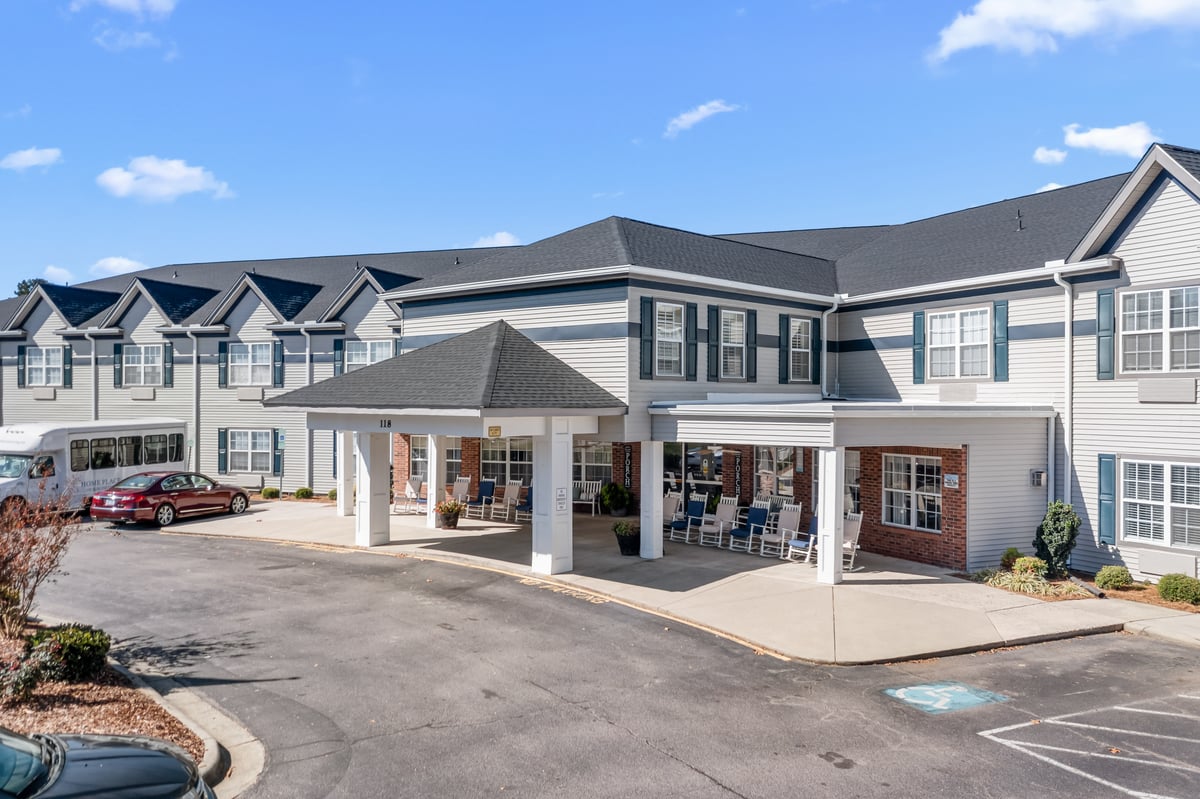
At Home Place of Burlington, Assisted Living services include medication management alongside assistance with bathing, dressing, and other everyday needs. The community can explain which medication services are available for your parent's situation.
Who Manages Medications in Assisted Living?
Medication management involves several people with different responsibilities. A prescribing professional determines what medications are ordered and evaluates changes in treatment. A pharmacist dispenses prescriptions and can answer questions about instructions or possible interactions. Qualified community team members carry out medication tasks within their authorized roles and document administration.
Families can share useful information, such as recent medication changes or concerns noticed during visits. Ask the community who should receive updated prescriptions, who contacts the prescriber when an order is unclear, and how families will be informed about significant issues.
Training and Oversight for Medication Assistance
North Carolina requires medication aides who aren't otherwise licensed to administer medications to complete applicable training, testing, and clinical skills validation. Communities must verify qualifications before assigning medication administration responsibilities.
The state's medication administration requirements also call for records of administered doses and documentation of omissions, including refusals. Families can ask how records are reviewed and what happens if a resident declines a medication or a prescription changes.
These are practical questions, not signs of distrust. They help clarify how a community approaches medication safety day to day.
How Medication Support Fits Into Daily Life
For someone who struggles to keep track of several prescriptions, having an agreed-upon medication routine can ease a recurring responsibility. It doesn't replace medical appointments or eliminate the possibility of errors, but it can provide a clearer process for managing daily doses.
Medication support is only one part of assisted living. At Home Place of Burlington, residents can also enjoy chef-prepared meals, housekeeping, scheduled transportation, and social events. The community's senior living programs offer ways to build a familiar daily routine beyond appointments and prescriptions.
Questions to Ask Before Making a Decision
During a tour or care discussion, consider asking:
- Who administers medications, and what training have they completed?
- How are new prescriptions, dosage changes, and refills handled?
- What happens when a dose is missed or a resident refuses it?
- How are medication records kept, and when are families contacted?
- Can the community meet any needs involving injections or specialized treatments?
The answers can help you determine whether a community's medication support matches your parent's actual needs, rather than relying on general descriptions.
If you're comparing options in Burlington, schedule a tour of Home Place of Burlington to discuss medication management, everyday assistance, and what support may be appropriate for your loved one.