
Summary
Medicare generally does not cover monthly assisted living expenses like housing, meals, and daily task assistance. However, it may help pay for certain medical services residents receive while living in a community. Understanding what Medicare covers versus what your family will need to pay out-of-pocket can help you plan more effectively for assisted living costs in Burlington, NC.
- Medicare Part A may cover short skilled nursing stays after hospitalization, not assisted living housing or personal care
- Medicare Part B helps with doctor visits, outpatient services, and preventive screenings for residents in any living situation
- Medicaid rules vary by state; North Carolina's program may cover personal care services but typically not room and board
- Long-term care insurance, home sale proceeds, Social Security, and Veterans benefits are common ways families pay for assisted living
- Request a detailed cost breakdown showing housing, meals, services, and additional care charges before comparing communities
Does Medicare pay for assisted living? For most families, the answer is no. Medicare generally does not cover monthly assisted living fees, including housing, meals, and help with everyday tasks. It may, however, pay for certain medical services a resident receives while living in a community.
Knowing the difference can help you estimate costs, avoid surprises, and explore other ways to pay for support in Burlington, NC.
What Does Medicare Cover in Senior Living?
Medicare is federal health insurance primarily for adults age 65 and older, as well as certain younger people who qualify. It covers many medical needs but generally does not pay for long-term personal assistance with bathing, dressing, or other daily tasks.
Monthly assisted living expenses may include:
- An apartment or suite and associated housing costs
- Meals, housekeeping, and maintenance
- Assistance with daily living tasks
- Community events, transportation, and other services
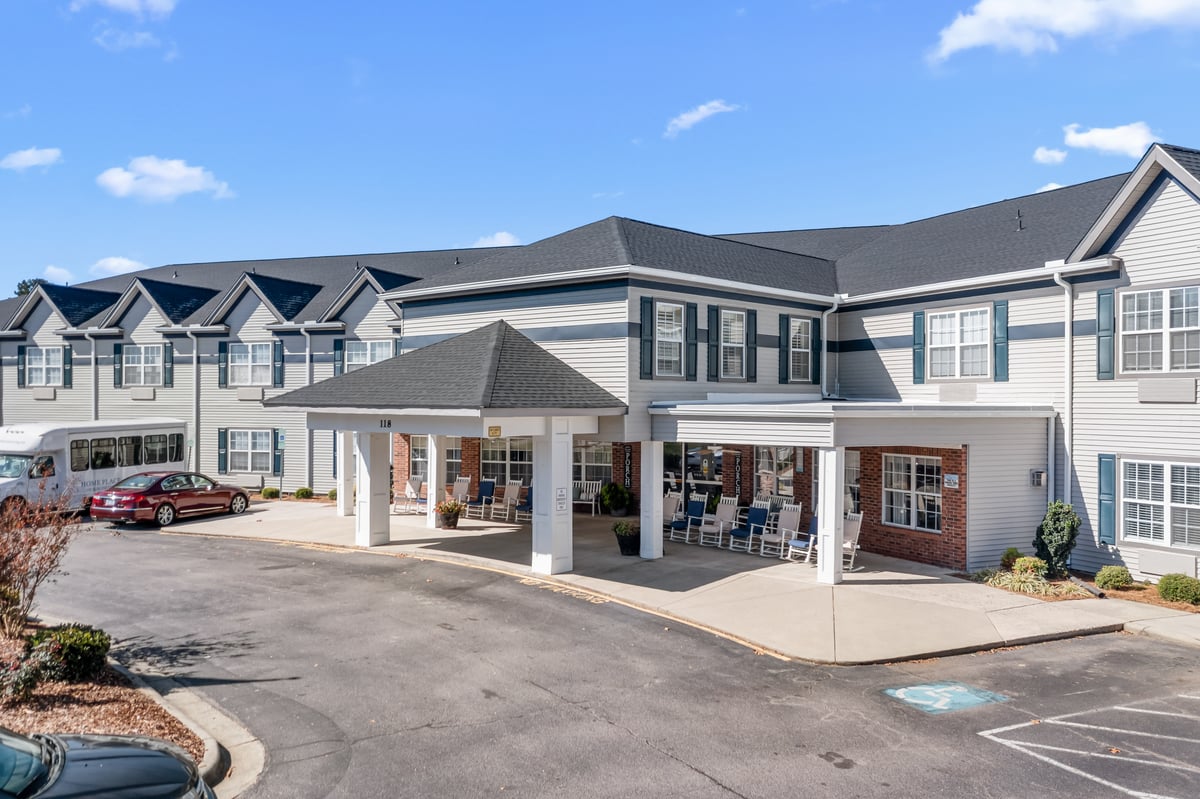
At Home Place of Burlington, Assisted Living includes three chef-prepared meals daily, weekly housekeeping, scheduled transportation, and opportunities to connect through events and programs. Families can explore Assisted Living at Home Place of Burlington to understand what daily support may look like. These services are part of community living, not benefits paid for through Medicare.
When Can Medicare Help With Health Care Costs?
Although Medicare coverage for assisted living costs is limited, residents may still use their Medicare benefits for eligible medical care. Coverage depends on the service, medical necessity, and the person's plan.
- Part A: May cover a short stay in a Medicare-certified skilled nursing facility after a qualifying hospital stay. Under Original Medicare, this generally requires at least three consecutive inpatient days, although exceptions apply. Coverage can last up to 100 days per benefit period when requirements are met, with possible cost-sharing. This is not payment for assisted living.
- Part B: May help pay for medically necessary doctor appointments, outpatient services, preventive screenings, and covered medical equipment.
- Part D: Helps pay for covered prescription medications according to the person's prescription drug plan.
Before arranging treatment, check Medicare's explanation of long-term care coverage and confirm benefits with the plan. Medicare Advantage plans may have different rules, provider networks, and out-of-pocket costs.
Medicare vs. Medicaid for Assisted Living
Medicare and Medicaid serve different purposes. Medicare primarily covers eligible health services, while Medicaid may help qualifying individuals pay for certain long-term services based on financial and care needs. Medicaid rules differ by state.
In North Carolina, Medicaid may cover eligible personal care services for people living in licensed adult care homes. It generally does not pay for their room and board. Separately, North Carolina's State/County Special Assistance program may help qualifying residents with those housing and meal expenses at participating adult care homes.
Eligibility and provider participation are important. Ask the local Department of Social Services about available programs, and confirm directly whether any community you're considering accepts the applicable funding. Don't assume a specific benefit can be used at Home Place of Burlington.
Other Insurance Options for Assisted Living
Because paying for assisted living with Medicare isn't an option for most residential expenses, families often combine several resources. Depending on their circumstances, these may include:
- Social Security benefits, pensions, or personal savings
- Proceeds from selling a home
- Long-term care insurance, subject to policy terms
- Veterans benefits, including Aid and Attendance for eligible individuals
- Available life insurance cash value, after reviewing financial consequences
Long-term care insurance is different from traditional health insurance or Medicare Supplement Insurance. Review policy requirements, waiting periods, benefit limits, and what qualifies for reimbursement before estimating how much assistance it might provide.
Planning for Assisted Living Costs in Burlington, NC
Start with a written comparison of monthly fees, included services, and possible additional charges. The apartment layout and amount of personal assistance needed can affect the total cost, so the advertised starting price may not tell the full story.
Home Place of Burlington offers several floor plans and pricing options, including suites and a two-bedroom Assisted Living layout. Ask for a personalized breakdown that distinguishes housing, meals, services, and any additional care charges.
Also consider future needs. A health care provider can help you assess daily support requirements, while an elder law attorney or financial advisor can help review possible resources. Understanding Medicare vs. Medicaid assisted living coverage early leaves more room for an informed decision.
Schedule a tour of Home Place of Burlington to explore Assisted Living amenities, compare floor plans, and discuss the monthly costs and payment questions that matter to your family.